
I recommend this article on the BBC website by David Robson, an award-winning science writer: Why Alcohol is So Dangerous for Young Adults’ Brains.
From the myth of Europeans’ “healthy drinking culture” to the surprising harm of some common family traditions, science is overturning old beliefs around alcohol and young people.
An 18-year-old who passed the U.K.’s threshold for buying alcohol describes his experience after leaving home for university. He told his doctor what he thought was a low intake of units he drank in a week. He thought the amount was low as he’d never been a rule-breaker.
The article describes what the young man heard about the unique ways alcohol can affect the young adult brain. The new science research from around the world is beginning to overturn a range of common assumptions around age and alcohol that compare the healthier drinking culture of continental Europeans with the UK and US.
“When alcohol becomes legal, teenagers perceive it to be much less risky then before.” – Alexander Ahammer.
Headings and some key points from the article:
Small bodies, big brains – “Let’s be clear: alcohol is a toxin.”
Shaping the brain – About changes occurring within the skull. “After multiple years of drinking, we see less activation in the brain.”
The European model? How might findings affect an adolescent’s choices – and their parents’ decisions about how and when to let them drink at home?
What is the message?
Should advice be enshrined in law?
What does the evidence suggest?
There is a study to consider from the Johannes Kepler University Linz in Austria. Does it have a healthier drinking culture?
What is the influence of waiting?
Participants are questioned about their behaviour. The teenage perception of when alcohol becomes legal and of the dangers associated with drinking are certainly interesting to read.
The following topics are part of the conclusion:
- What really goes on in the teenage brain?
- How to teach children about risk.
- Why short-sightedness rates are soaring in children.
What should governments do given the scientific evidence e.g. the legal minimum age? Set a legal minimum age? Better education about alcohol’s risks and the ways that can affect the maturing brain?
Instead, MacKillop suggests adolescents could be provided with better education about alcohol’s risks, and the ways that it can affect the maturing brain. “Just assuming that people will naturally develop responsible habits when it comes to these drugs is a fairly optimistic assumption,” he says.
“Looking back at my adolescence, I would have been intrigued to know about my brain’s continued transformation, and the effects that my alcohol consumption could have on its wiring. I don’t expect that I would have been teetotal – I still drink today, after all, despite knowing the long-term health risks – but I might have thought twice before buying an extra round.”
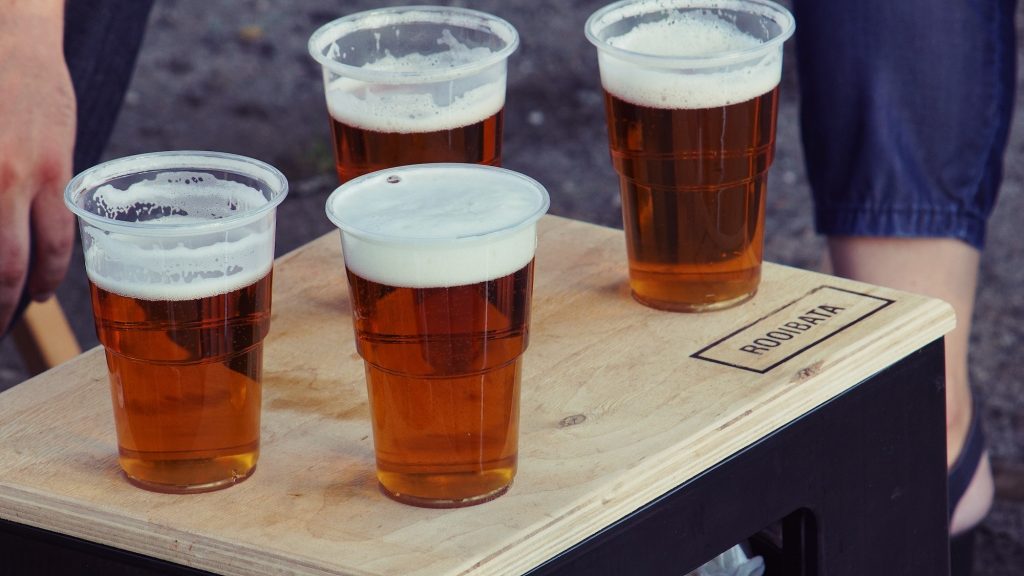
Photo by Julia Nastogadka on Unsplash